Don't Get Burned: Picking the Right Concrete Contractor
You need some concrete work done, maybe a new driveway, a patio, or a foundation for that shed you've been planning. It's a big investment, and you want it done right. But how do you sort through all the options out there? As someone who's been pouring concrete in and around Rapid City for years, I've seen the good, the bad, and the ugly. Here's my honest take on how to hire a concrete contractor you can trust.
What Questions Should You Be Asking?
When a contractor comes out to give you a bid, don't be shy. This is your property and your money. You've got every right to ask tough questions. Here's what I'd want to know if I were in your shoes:
Are you licensed and insured? This isn't just a suggestion; it's non-negotiable. If they're not licensed, they're likely cutting corners elsewhere. If they're not insured, and someone gets hurt on your property or they damage something, you could be on the hook. Ask for proof, and don't just take their word for it.
How long have you been doing concrete work specifically? Someone might say they've been in construction for 20 years, but if they've only been pouring concrete for six months, that's a different story. Experience with concrete matters because it's a finicky material.
Can you provide references? And I don't mean their buddy. Ask for contact info for a few recent clients you can call. Ask those clients about communication, timeliness, and if they'd hire them again.
What's your process for site preparation and finishing? This tells you a lot about their attention to detail. Proper sub-grade compaction, rebar or wire mesh, expansion joints, control joints – these are all critical. How do they cure the concrete? What kind of finish are they proposing?
What's the timeline? When can they start, and how long will the job take? Good contractors are busy, but they should be able to give you a reasonable window.
What's the warranty? A reputable contractor will stand behind their work. Ask what's covered and for how long. Cracks happen, especially with our freeze-thaw cycles here in the Black Hills, but excessive cracking or structural issues should be covered.
Decoding the Quote: What to Look For
Once you get those bids, don't just look at the bottom line. A cheap price often means cheap work. Here's what a good quote should include:
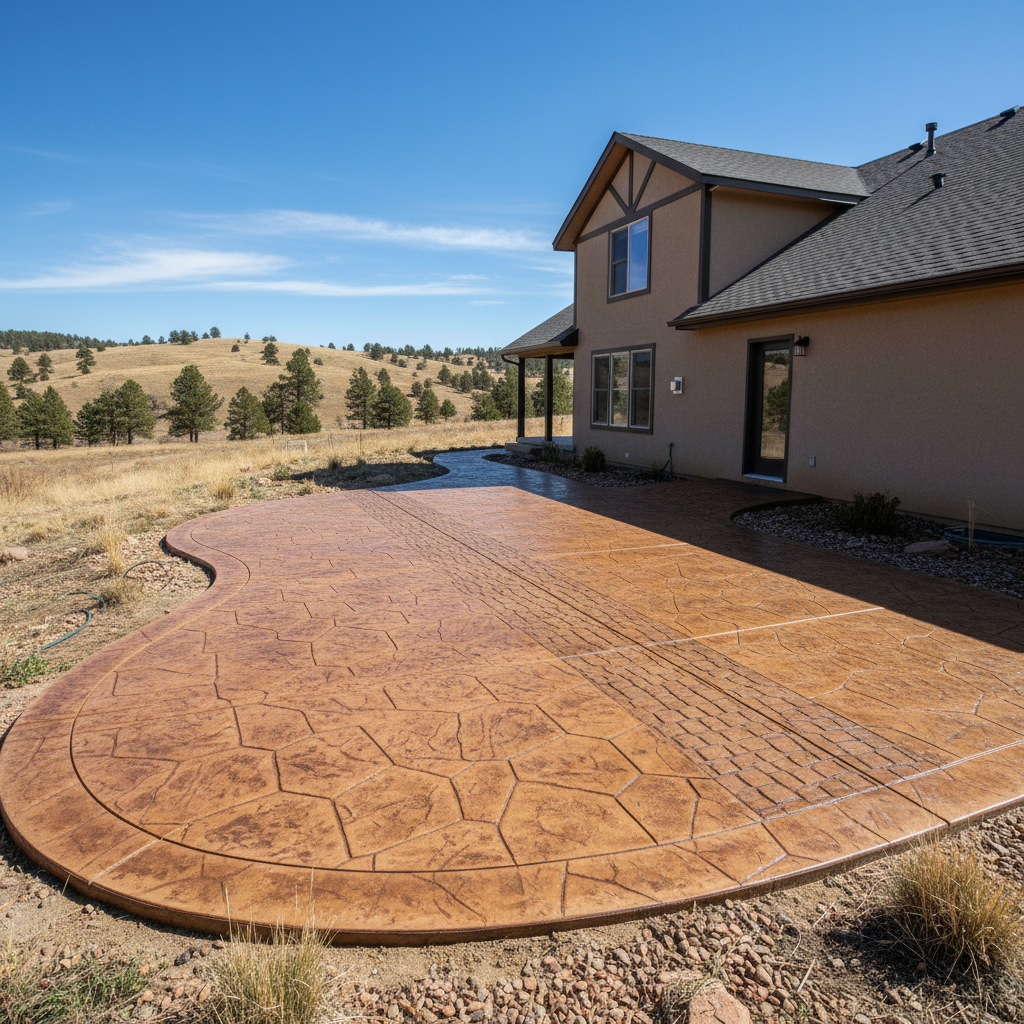
Detailed Scope of Work: It should clearly state what they're doing. Is it just pouring, or does it include excavation, hauling away old concrete, and site cleanup? What type of finish are they providing (e.g., broom finish, stamped, exposed aggregate)?
Materials Specified: What PSI concrete are they using? Are they using rebar or wire mesh, and what's the spacing? This stuff impacts durability.
Payment Schedule: A reasonable down payment (usually 10-30%) is normal, but be wary of anyone asking for 50% or more upfront, especially for residential work. Final payment should be due upon satisfactory completion.
Permits: Who's responsible for pulling any necessary permits from the city of Rapid City? Usually, it's the contractor's job.
Exclusions: What's NOT included? This helps avoid surprises later.
Red Flags You Can't Ignore
Some things should make you walk away, no matter how good the price seems:
No written contract: If they just want to shake on it, run. Everything needs to be in writing.
High-pressure sales tactics: "This price is only good today!" or "I've got a cancellation, so I can do it cheaper if you sign now." Good contractors don't need to pressure you.
Cash-only deals: This is a classic move to avoid taxes and insurance. You'll have no recourse if something goes wrong.
No license or insurance: I said it before, I'll say it again. This is a deal-breaker.
Too cheap: If one bid is significantly lower than all the others, there's usually a reason. They're cutting corners on materials, labor, or both.
Out-of-state plates and no local ties: Be careful with storm chasers or contractors who just roll into town after a big weather event. They often do quick, shoddy work and disappear.
How to Verify Legitimacy
It's easier than you think to check if a contractor is on the up and up:
Check the City of Rapid City's website: You can often look up licensed contractors there. For concrete, they might be listed under general contractors or a specific trade license.
Call their insurance company: Ask for a certificate of insurance directly from the insurer, not just a copy the contractor gives you. Make sure it's current and covers general liability and workers' compensation.
Look them up on the Better Business Bureau (BBB): While not foolproof, it can give you an idea of their complaint history.
Google their business name: See what comes up. Are there reviews? A website? A physical address?
Ask for their physical business address: A P.O. Box isn't a red flag on its own, but combined with other issues, it might be. A legitimate business usually has a physical location, even if it's a home office.
Choosing a concrete contractor doesn't have to be a headache. Do your homework, ask the right questions, and trust your gut. You want someone who's going to be around if there's an issue down the road, someone like us here at Alpha Concrete. We've built our reputation on doing things right the first time, for our neighbors right here in Rapid City.