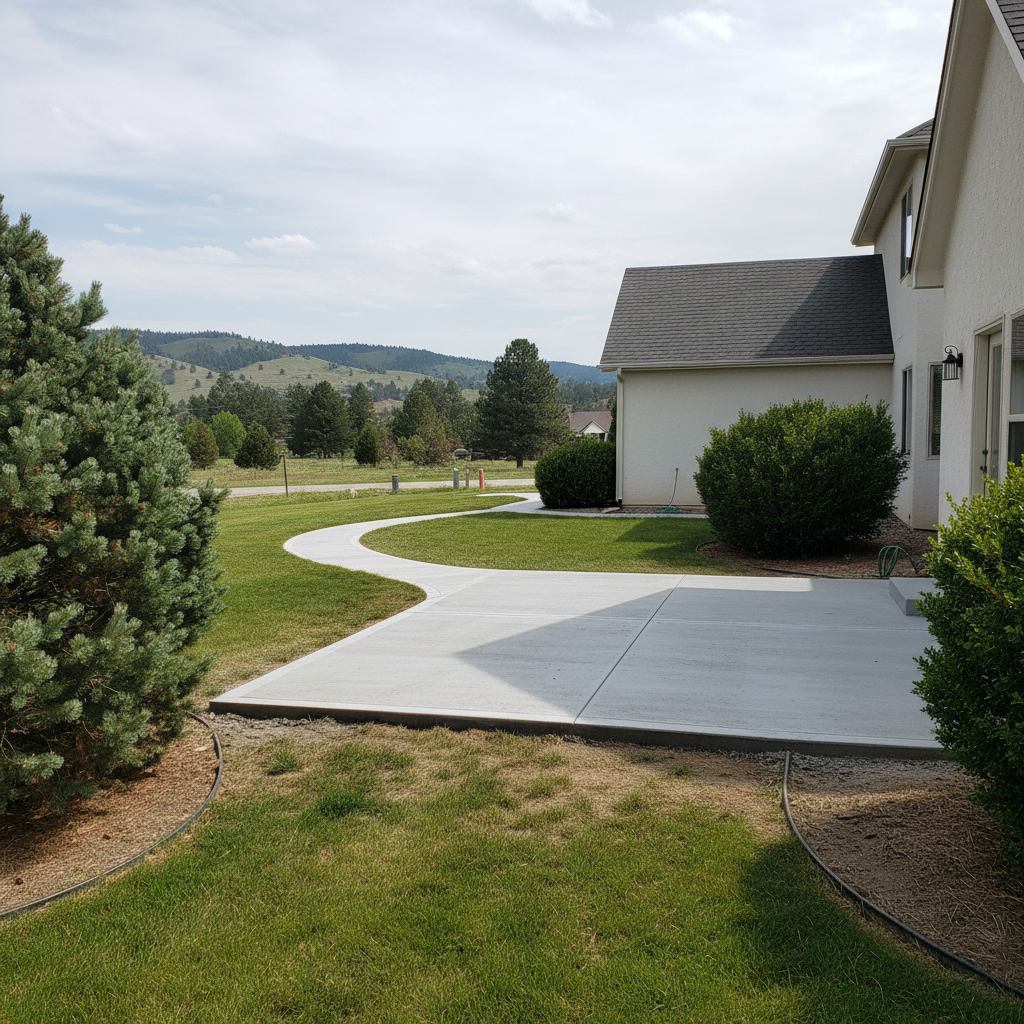
When's the best time to fix that cracked driveway or crumbling patio? It's a question I get asked a lot, especially here in Rapid City. Our weather, let me tell you, can be a real beast on concrete. You might think, 'just get it done when it needs doing,' but with concrete, timing really is everything if you want those repairs to actually last.
Why Rapid City's Weather Really Affects Concrete Repair
Our climate here in the Black Hills isn't just a little tough on concrete; it's downright brutal. We've got those scorching summer days, then sudden, freezing drops in temperature, often in the same week. And let's not forget the freeze-thaw cycles that hit us hard from late fall right through early spring. Water seeps into tiny cracks, freezes, expands, and then thaws, leaving bigger cracks. It's a relentless cycle that breaks down even the toughest concrete over time, you know?
This isn't just about comfort; it's about the very chemistry of concrete itself. Concrete needs specific conditions to cure properly. If it's too hot, it dries out too fast and becomes weak. If it's too cold, the chemical reaction slows down too much or stops altogether, leading to a brittle, compromised repair. No one wants that.
When You Should Schedule Your Concrete Repairs
So, when's the sweet spot? Generally, I tell folks the best time for major concrete repair or new pours in Rapid City is late spring, summer, and early fall. Think May through September, maybe even early October if we get a nice, long Indian summer.
- Late Spring (May-June): This is prime time. The ground has thawed completely, daily temperatures are consistently above freezing, and we're usually past the worst of the spring rains. The concrete gets plenty of time to cure slowly and strongly before the intense summer heat or the next freeze cycle hits.
- Summer (July-August): Still a good window, but we have to be more careful. If it's a really hot stretch, we'll take extra precautions to keep the concrete from drying too fast. This might mean curing compounds, misting, or covering the new pour. The goal is to keep that moisture in there so the concrete can gain maximum strength.
- Early Fall (September-October): Often another excellent period. The intense heat of summer is usually gone, and the ground is still warm. You really want to make sure the concrete has a good 30 days to cure before the first hard, sustained freeze. If you're looking at a project in late October, we'll be watching the forecast like hawks, believe me.
What about winter? Forget about it for most repairs. Pouring concrete when temperatures are consistently below 40 degrees Fahrenheit is just asking for trouble. You can do it with special additives and heated blankets, sure, but it adds significant cost and complexity. For a typical homeowner repair, it's usually not worth it. Plus, the ground is often frozen solid, which isn't ideal for proper foundation or sub-base work.
Weather Conditions That Really Affect the Work
It's not just the temperature that matters. Here's what we're looking at when we plan a job:
- Temperature: Like I said, 40-80°F is ideal for pouring and curing. Too cold, and it won't gain strength. Too hot, and it dries too fast, leading to cracking.
- Humidity: Low humidity can cause concrete to dry out too quickly, especially on windy days. High humidity can slow down drying, but it's generally less problematic than low humidity.
- Wind: A windy day can accelerate surface drying, which can lead to plastic shrinkage cracks. We'll often use windbreaks or apply curing compounds sooner on blustery days.
- Rain: Freshly poured concrete and heavy rain just don't mix. Rain can wash out the cement paste, weaken the surface, and affect the finish. If rain is in the forecast, we'll reschedule or take extensive measures to protect the pour.
- Sunlight: Direct, intense sunlight can also cause rapid drying. We might use temporary shading or adjust our pouring schedule to avoid the hottest part of the day.
When you call Alpha Concrete, we're not just looking at your cracked slab; we're looking at the forecast for the next week and beyond. We want to make sure the conditions are right for a repair that's going to last.
Protecting Your Concrete Investment Year-Round
Once your concrete is repaired or newly poured, you want to keep it looking good and performing well for years. Here are a few tips:
- Seal It: This is probably the single most important thing you can do. A good quality concrete sealer, applied every 2-5 years depending on the product and traffic, acts like a shield. It repels water, oil, and other liquids, preventing them from penetrating the surface. This dramatically reduces the impact of those freeze-thaw cycles we deal with here in Rapid City. I've seen too many driveways on the west side of town deteriorate faster than they should because they were never sealed.
- Clean Up Spills Promptly: Oil, grease, and other chemicals can stain and even degrade concrete over time. Clean them up as soon as you can.
- Avoid De-icing Salts: This is a big one. Many de-icing salts, especially those containing ammonium nitrate or ammonium sulfate, are highly corrosive to concrete. They can cause spalling and deterioration. If you need to de-ice, use sand for traction or products specifically labeled as concrete-safe, like calcium chloride or magnesium chloride. Even then, use them sparingly.
- Mind Your Snow Removal: Be careful with snow blowers and shovels. Don't chip away at the concrete surface. If you have a plow service, make sure they know to keep their blades slightly above the concrete surface.
- Address Drainage: Make sure water drains away from your concrete slabs, not towards them. Poor drainage can lead to water pooling, which increases the risk of freeze-thaw damage and can undermine the sub-base, causing settling and cracking.
- Don't Overload It: Avoid parking heavy vehicles or storing extremely heavy items on concrete that wasn't designed for that kind of load.
Taking a little extra care goes a long way in extending the life of your concrete. It's an investment in your home, and with our Rapid City climate, it needs all the help it can get. If you've got questions about your concrete or need a repair, don't hesitate to give us a call. We're happy to take a look and give you an honest assessment.